In short
- Ilha Deserta offers the quietest, most isolated sands.
- Ilha da Armona is excellent for families with calm water and wide beaches.
- Ilha de Tavira provides the best amenities and the famous anchor graveyard.
In this article
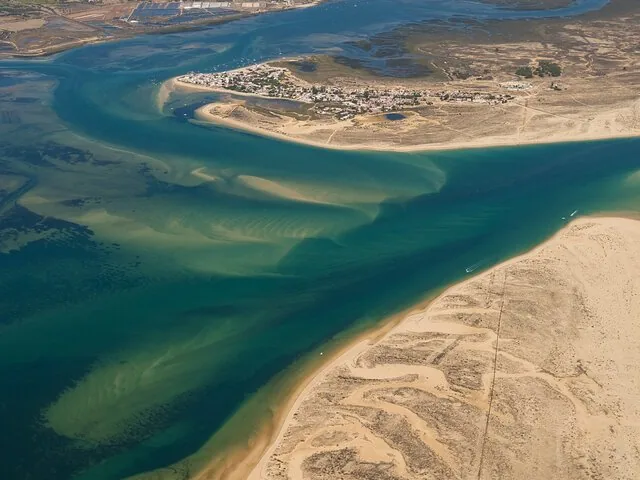
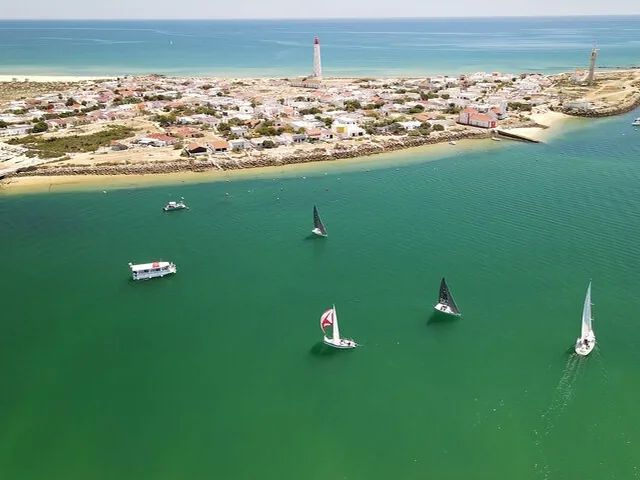
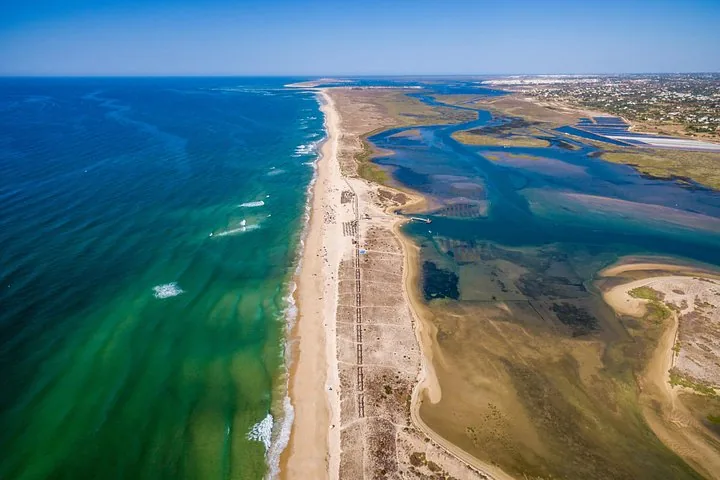
Five barrier islands protect the Ria Formosa lagoon from the Atlantic Ocean: Barreta (Deserta), Culatra, Armona, Tavira, and Cabanas. Each island has a distinct atmosphere. Access requires a short boat or ferry ride, making every beach trip here feel a bit like an expedition. Because the islands form a protective chain, you can often choose between the calm lagoon side or the wavier ocean side.
Which is the quietest beach in Ria Formosa?
Ilha Deserta (Barreta) is the quietest and most isolated island in the park.
Ilha Deserta has no permanent inhabitants and features kilometers of pristine, empty sand. It marks the southernmost point of mainland Portugal. Access is strictly by boat from Faro. Because facilities are limited to a single restaurant, you should bring your own shade, water, and snacks for a long beach day.
Which Ria Formosa island is best for families?
Ilha da Armona is highly recommended for families due to its calm waters and wide, accessible beaches.
Armona is a popular summer island with a small village, campsites, and small cafes. The waters near the settlement are gentle and safe for swimming. If you want more space, just walk past the main village on the boardwalk. You will quickly find completely empty stretches of sand.
Which island has the best beach amenities?
Ilha de Tavira offers the most developed beach facilities, including restaurants, sunbeds, and lifeguards.
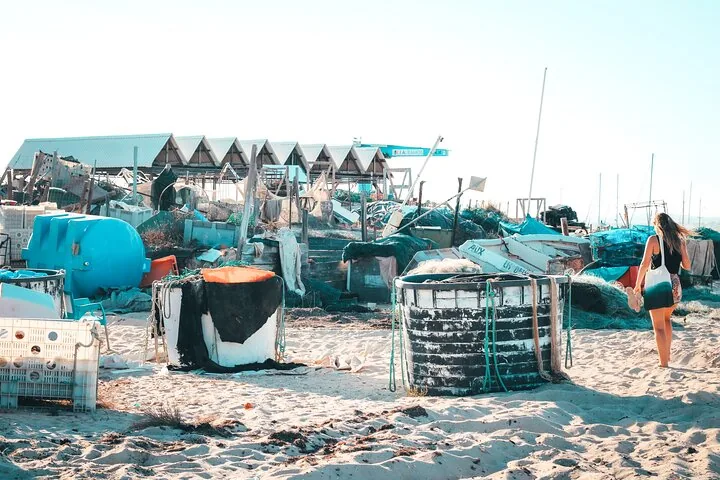
Tavira Island is famous for its calm, warm waters and the striking anchor graveyard at Praia do Barril. You can easily reach this beach by taking a miniature train from Pedras d'El Rei, which is a big hit with children. The island provides excellent infrastructure without losing its natural charm.
What is the best way to get to the beaches?
Public ferries or guided boat tours are the primary ways to reach the barrier islands.
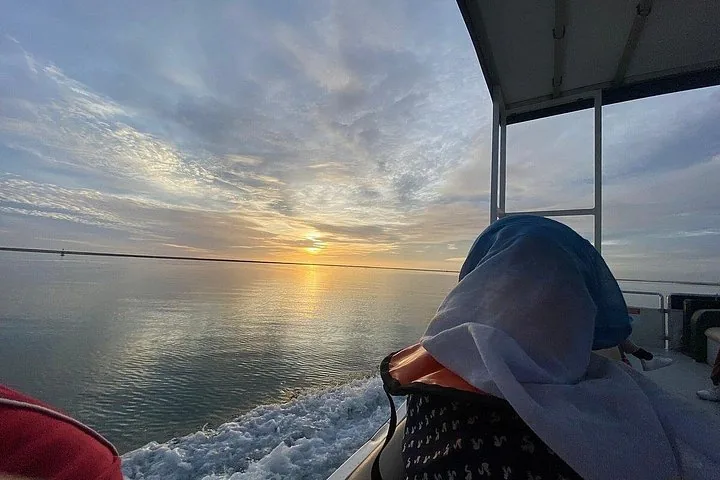
Public ferries run year-round from Faro, Olhão, and Tavira. A one-way ticket costs between €2 and €5, and the ride takes 15 to 30 minutes. If you want to see multiple islands in one day, a guided boat tour is the most efficient option. Tours navigate the shallow channels and often stop at two or three different islands.
Can you swim at Ria Formosa beaches?
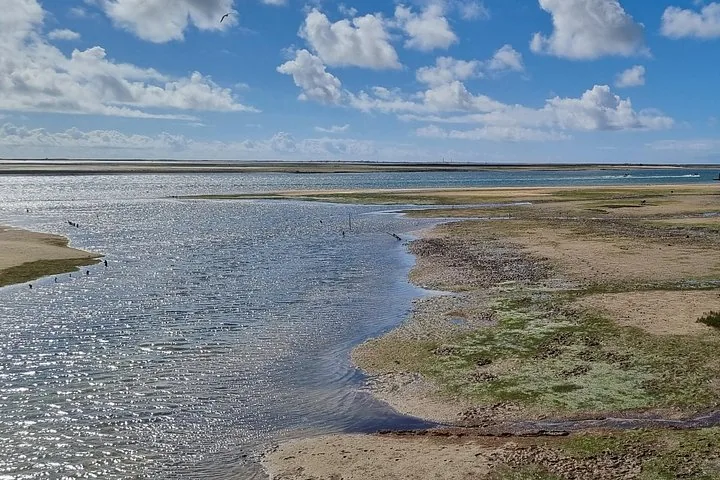
Yes, swimming is excellent on all the barrier islands.
The lagoon side offers calm, warmer water, which is ideal for small children. The ocean side facing the Atlantic has colder water and small waves. Water quality is generally excellent. Just be cautious of tidal currents in the channels between the islands.
What should you pack for a beach day?
Pack reef-safe sunscreen, a windbreaker, and plenty of water.
Sun protection is essential, as shade is scarce on the barrier islands. A sun hat with a chin strap is useful for windy boat rides. Bring a reusable water bottle, a swimsuit, and a quick-dry towel. If you plan to explore the island interiors or marshlands, add mosquito repellent to your bag.
Questions travellers ask
Are dogs allowed on Ria Formosa beaches?
Dogs are restricted on the barrier island beaches during the official bathing season (usually June to September).
Do you have to pay to access the beaches?
No, access to the barrier islands and beaches is free. You only pay for the boat or ferry ride to get there.
Are there restaurants on the islands?
Yes. Culatra, Armona, and Tavira have multiple restaurants and cafes. Deserta has only one restaurant, so booking ahead is advised.